


Edited by: Viewmate All Glass Railing
Glass railings have become a familiar feature in modern homes, especially around balconies, terraces, and swimming pools. Their clean appearance allows homeowners to enjoy open views without making outdoor spaces feel enclosed. But one question often comes up before design begins: are glass railings actually safe?
The short answer is yes, provided the right glass, hardware, and installation method are used. Safety depends on the entire railing system, not just the glass panel.
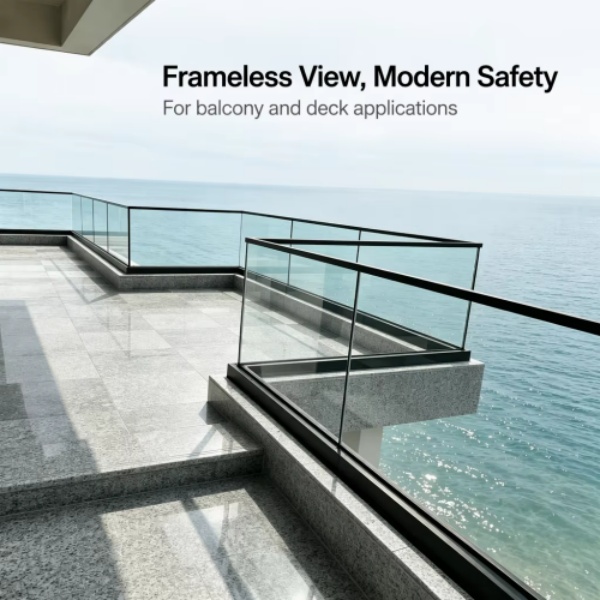
1. The Right Glass Makes a Difference
Glass used for balcony railings and pool fences must be suitable for safety applications. Tempered glass is commonly used because it is heat-treated to improve its strength. Laminated safety glass is another important option, particularly where the design or local building code requires the panel to remain together after breakage.
For elevated balconies, the glass specification should be selected according to panel size, support conditions, expected loads, and local building regulations. Simply choosing thicker glass does not automatically make a railing safer.
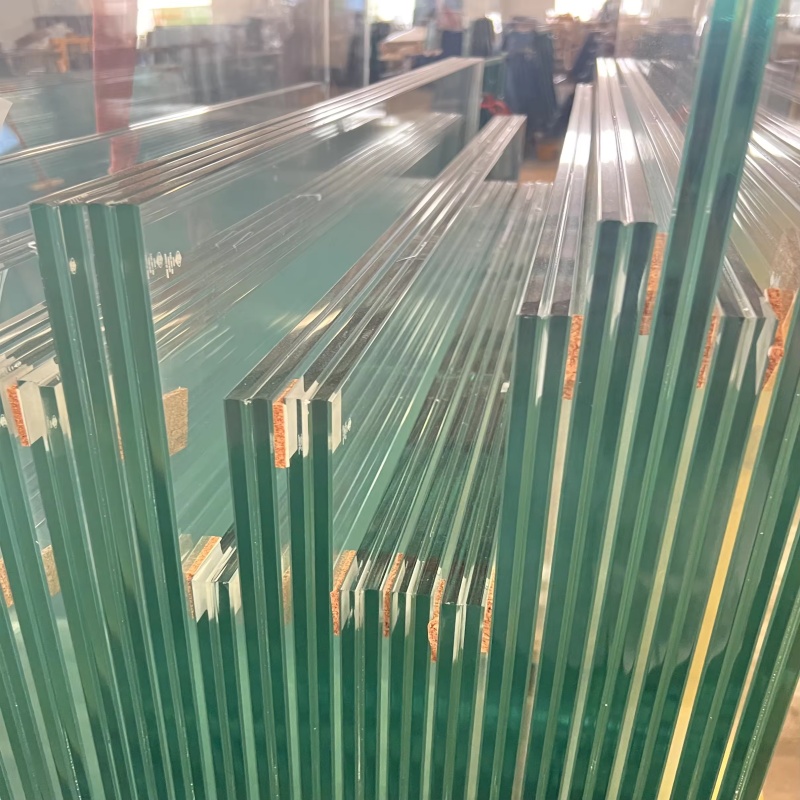
2. The Fixing System Is Just as Important
A strong glass panel still needs reliable support. Common options include glass spigots, aluminum base channels, glass clamps, and stainless steel standoff pins.
For a frameless glass balcony railing, the fixing system must transfer loads safely into the supporting structure. The concrete edge, floor slab, or steel framework should be checked before installation. Poor anchoring or unsuitable hardware can create risks even when high-quality glass is used.
3. Are Glass Pool Fences Safe?
A glass pool fence offers clear visibility around the swimming area, making it easier to keep the pool in view. Frameless glass pool fencing is particularly popular because it provides a barrier without obstructing the surrounding landscape.
However, pool safety involves more than the glass panels. Gate latches, self-closing mechanisms where required, fence height, gaps, and access points must all meet local pool barrier regulations. Homeowners should also avoid placing furniture or objects near the fence that could help children climb over it.
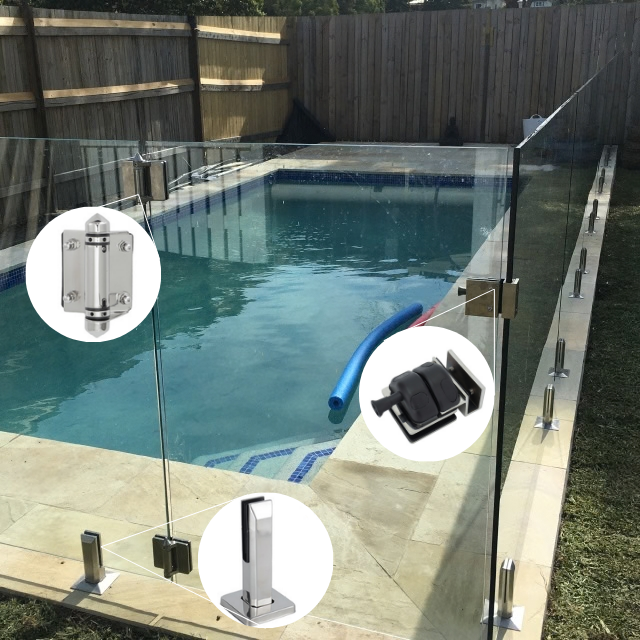
4. Weather, Maintenance, and Long-Term Safety
Outdoor glass balustrades are exposed to wind, rain, temperature changes, and sometimes salt air. Hardware material and surface treatment should therefore match the environment. Suitable stainless steel grades and corrosion-resistant aluminum finishes can help maintain long-term performance.
Regular inspections are also worthwhile. Check for loose fittings, damaged glass edges, corrosion, and changes in the supporting structure. Keep drainage paths clear around base channels so water does not accumulate unnecessarily.
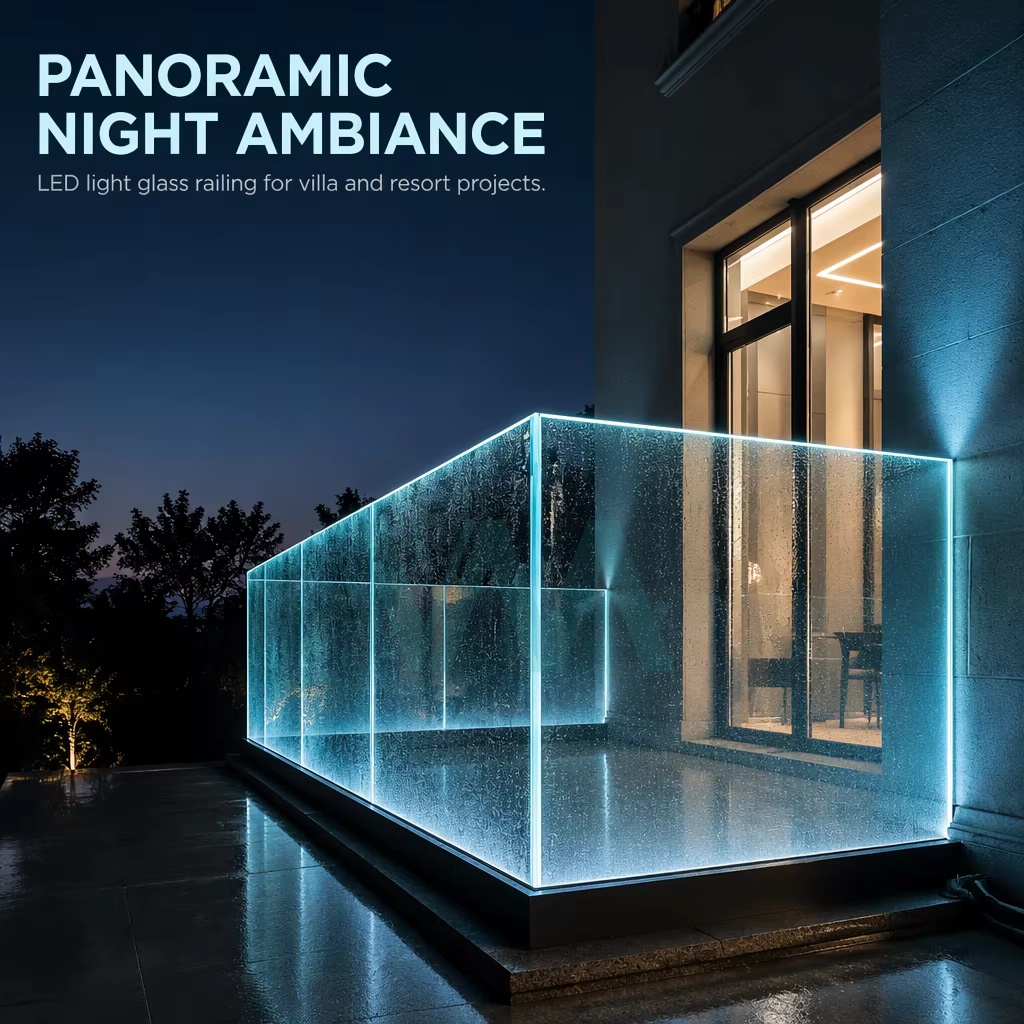
5. Check Local Building Codes Before Installation
Balcony guards and pool barriers have different safety requirements. Regulations may specify glass types, railing heights, load resistance, openings, and gate arrangements. Requirements vary by country, state, and project type, so a glass railing system should be reviewed against the rules that apply to its installation location.
A well-designed glass railing can provide both safety and an unobstructed view. Whether you are choosing a glass balcony railing, glass handrail, or pool glass fence, the key is to consider the glass, hardware, supporting structure, and installation as one complete system.
Post time: Nov-26-2026