


Edited by: Viewmate All Glass Railing
A glass railing system may look simple once installed, but its performance depends on more than the glass panels themselves. The supporting structure, fixing hardware, glass specifications, and installation details all play an important role.
Choosing the Right Glass Railing Accessories
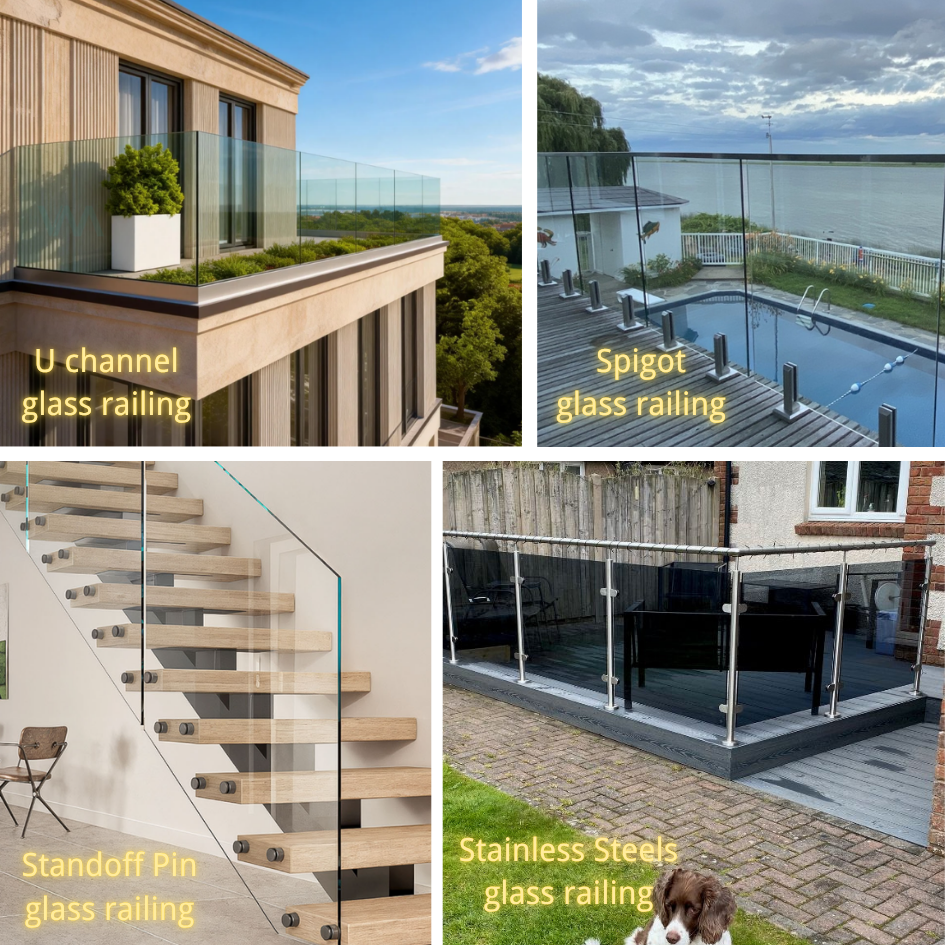
Different glass railing designs require different accessories. Common options include glass spigots, glass pins, clamps, aluminum U channels, and handrail brackets.
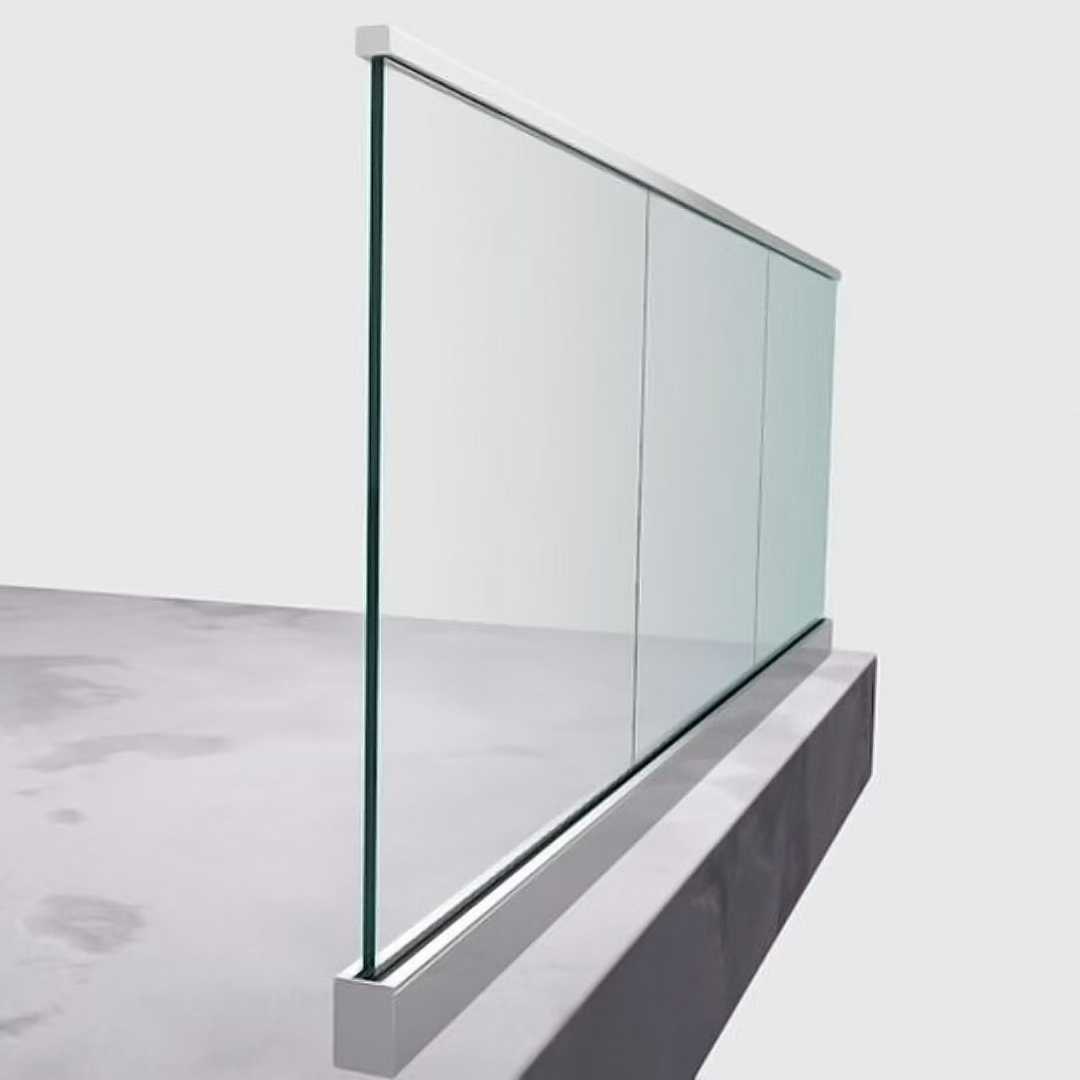
For example, a frameless glass railing system often uses bottom-mounted spigots or a continuous U-channel glass railing system to support the panels. Stainless steel glass spigots are frequently selected for outdoor applications, while aluminum channels offer a clean and relatively discreet fixing solution.
The choice depends on the installation surface, glass configuration, project design, and required structural performance.
How Does Spigot Spacing Affect Glass Railing Installation?
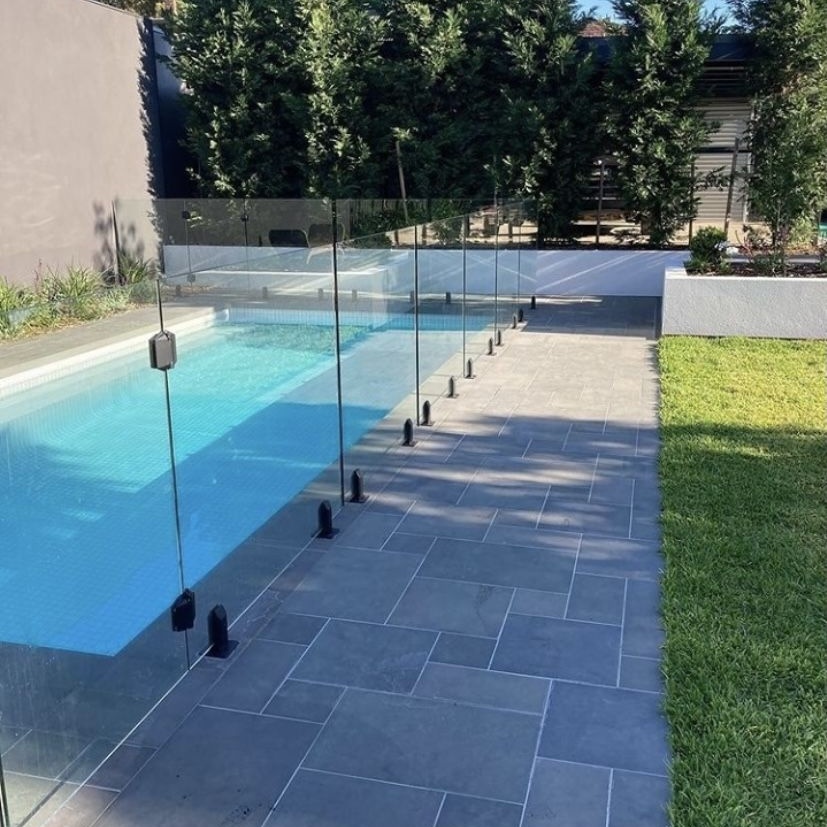
Spigot spacing on glass panels is an important consideration when designing a frameless glass balustrade. The distance between fixing points affects how the glass is supported and how loads are transferred to the supporting structure.
However, there is no single spacing that suits every project. The appropriate distance depends on glass thickness, panel dimensions, spigot design, installation conditions, and applicable building requirements.
Before installation, buyers should confirm the fixing layout with the railing manufacturer or project engineer rather than relying on a standard spacing recommendation.
Glass Thickness and Fixing System Compatibility
Glass railing thickness must match the selected hardware. Different spigots, glass clamps, and U-channel glass railing profiles are designed for specific glass configurations.
Tempered glass and laminated glass are commonly considered for railing applications, but the final specification should be based on the system design, safety requirements, and local regulations.
A glass thickness chart can help with initial product selection, but it should not replace technical confirmation for the actual project.
Why Installation Drawings Matter
A glass railing detail DWG or installation drawing helps contractors understand panel dimensions, fixing positions, channel sizes, and connection details before construction begins.
For projects involving balconies, stairs, or commercial buildings, reviewing the glass railing installation details in advance can reduce measurement errors and coordination problems on site.
What Should You Confirm Before Ordering?
Before purchasing glass railing accessories, confirm the glass specifications, mounting surface, hardware material, fixing method, and installation drawings.
A suitable glass railing system is not simply a combination of attractive glass panels and hardware. Every component must work together according to the project’s structural and safety requirements.
Post time: Nov-24-2026