


Edited by: View Mate All Glass Railing
The lifespan of aluminum in outdoor structures such as gazebos, railings, and furniture far exceeds that of wood.
When comparing their lifespans directly, the difference is considerable:
Aluminum: High - quality powder - coated aluminum structures typically have a lifespan of 20 to 50 years and often come with warranties of more than 25 years. They are resistant to corrosion, deformation, and insects. Their main weakness is the powder - coated surface, which can fade or flake after decades of intense UV exposure, even if the underlying metal structure remains intact.
Wood: Even with careful annual maintenance (sealing, painting), wooden structures typically last only 10 to 15 years before requiring major repairs or replacement. Pressure - treated pine can still rot, while cedar and mahogany gradually deteriorate, crack, and decay. Without maintenance, their lifespan can be reduced to 5 to 10 years.
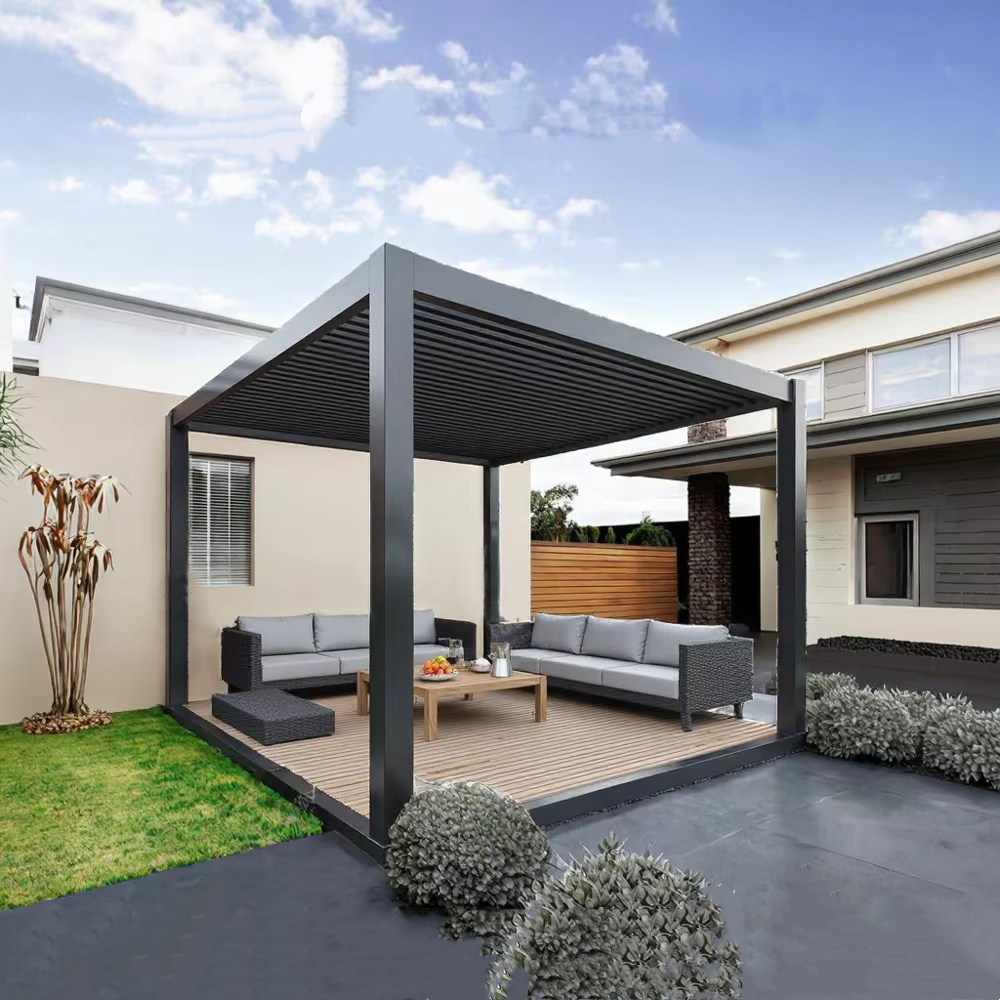
Important reasons for aluminum’s longer lifespan:
- Material integrity: Aluminum does not rot, warp, crack, or split, and it is completely immune to termites and other wood - eating insects.
- Corrosion resistance: High - quality powder - coated aluminum has exceptional rust resistance and is suitable for all climates, including coastal areas.
- No deterioration due to lack of maintenance: Wood decomposes under the effects of moisture, sunlight, and insects. Aluminum, which does not allow biological corrosion, does not lose its strength over time.
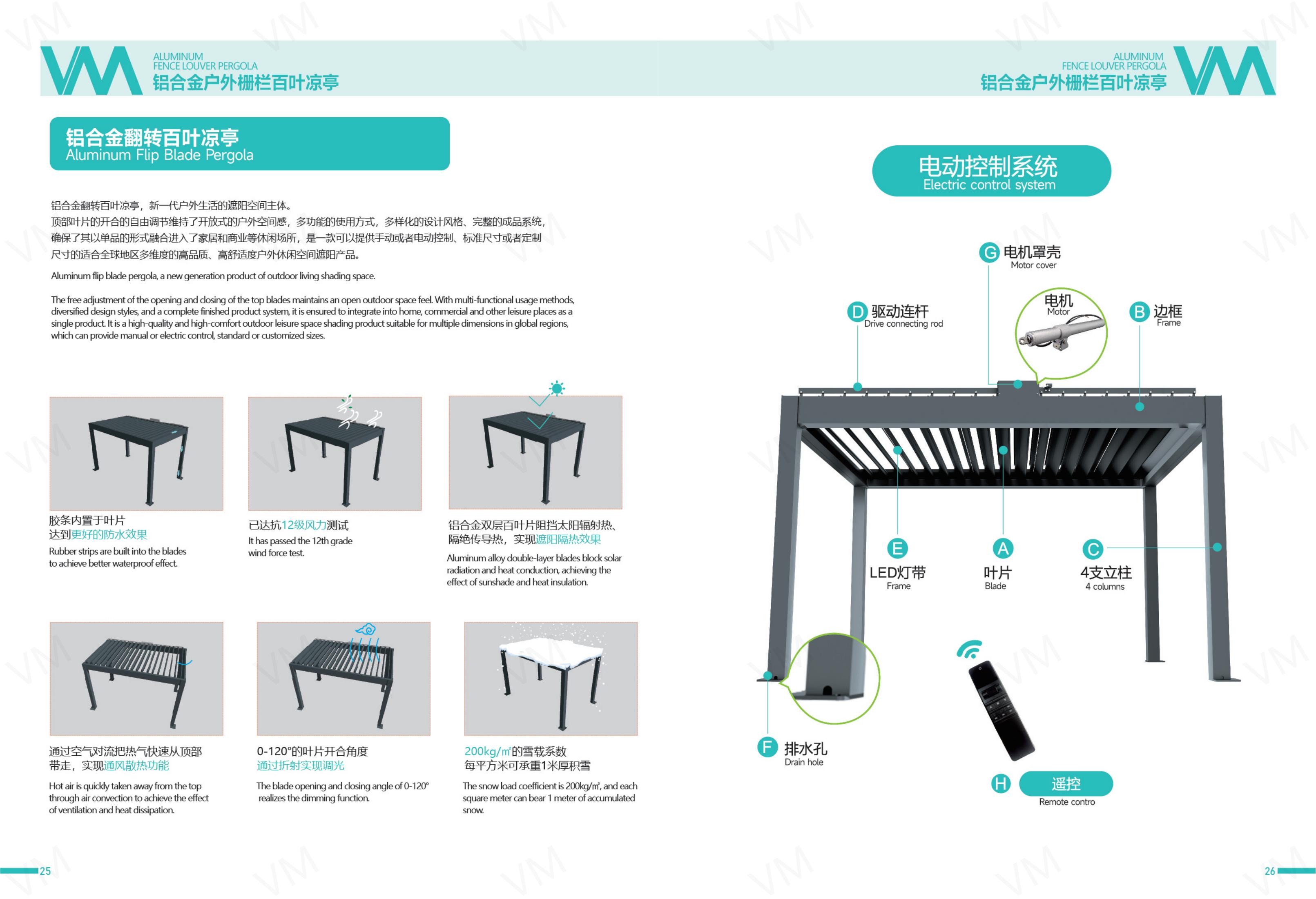
Practical consequences:
Choosing aluminum is a long - term investment requiring little maintenance; choosing wood is a short - term aesthetic choice that requires ongoing maintenance and incurs labor costs.
Summary: For those looking for durable, low - maintenance solutions for outdoor use, aluminum is undoubtedly the best choice in terms of lifespan and durability.
Post time: Dec-01-2025