


Edited by: Viewmate All Glass Railing
When choosing a frameless glass railing system, one of the first decisions is how the glass panels will be supported. Two common options are glass spigots and base shoe systems. Both provide a clean, modern appearance, but they differ in their fixing methods, installation requirements, and overall design.
Understanding these differences can help homeowners, contractors, and project buyers select the right solution for balconies, swimming pools, terraces, and outdoor decks.

1. What Is a Glass Spigot System?
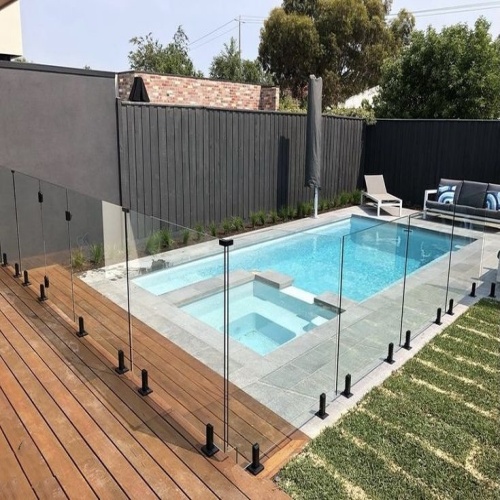
A glass spigot system uses individual metal fittings installed at intervals along the bottom of each glass panel. The spigots hold the glass securely without requiring a continuous supporting frame.
Most glass spigots are made from stainless steel or aluminum and are available in different shapes, finishes, and mounting designs.
One of the main advantages is its open appearance. Since there is no continuous base channel, more of the floor edge remains visible. This makes spigot glass railing systems popular for swimming pool fences, garden boundaries, and outdoor areas where a minimal design is preferred.
However, accurate positioning and suitable spacing between spigots are important. The fixing points and supporting surface must be designed for the required structural loads.
2. What Is a Glass Base Shoe System?
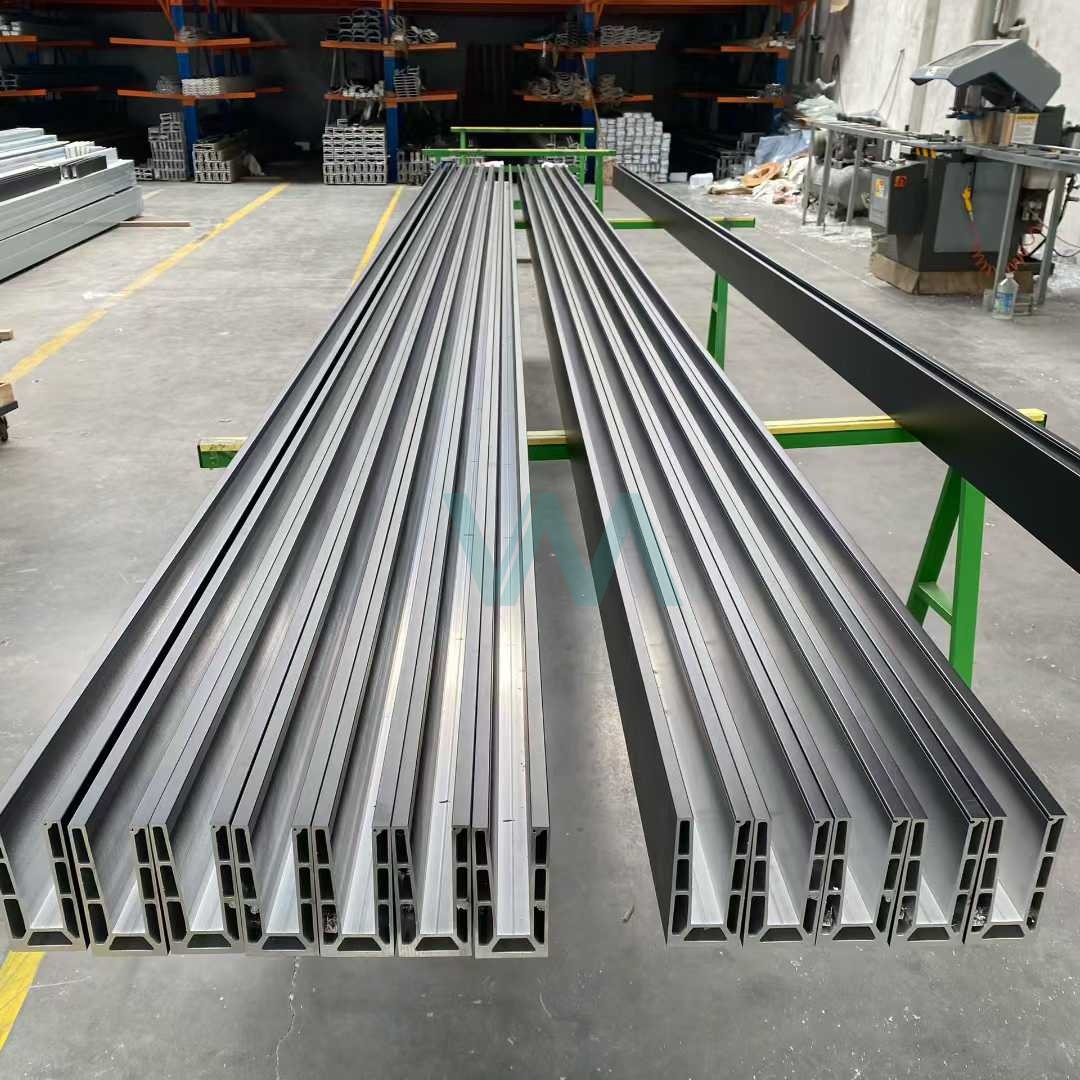
A glass base shoe system uses a continuous aluminum or metal channel to support the bottom edge of the glass panels. The glass is secured inside the channel using suitable fixing components, such as wedges or clamping mechanisms, depending on the system design.
An aluminum base shoe provides continuous support along the bottom of the glass, creating a smooth and consistent railing line.
This option is commonly used for frameless glass balconies, rooftop terraces, commercial buildings, and staircases. Some base shoe systems can also accommodate adjustable installation components, which help installers align glass panels.
Compared with individual spigots, a base shoe creates a more defined base profile and may require additional consideration for drainage and waterproofing in outdoor applications.
3. Spigot vs. Base Shoe: Which One Should You Choose?
The main difference comes down to the installation design and the appearance you want to achieve.
Spigot systems are often preferred when homeowners want visible individual fittings and a lighter, more open look. Base shoe systems are suitable when a continuous bottom fixing profile is preferred, particularly for long runs of frameless glass railing.
4. What Should You Consider Before Installation?
Before selecting a glass railing system, consider the installation surface, glass thickness, panel dimensions, wind loads, drainage requirements, and local safety regulations.
For coastal or poolside projects, hardware material and corrosion resistance are also important. Stainless steel spigots and properly finished aluminum base channels should be selected according to the environmental conditions.
The best choice is the system that matches the project’s structural requirements, installation conditions, and design preferences. Both spigot and base shoe systems can deliver a modern frameless glass railing when properly specified and installed.
Post time: Nov-28-2026